Jet Washing Recycling & Sustainability Policy
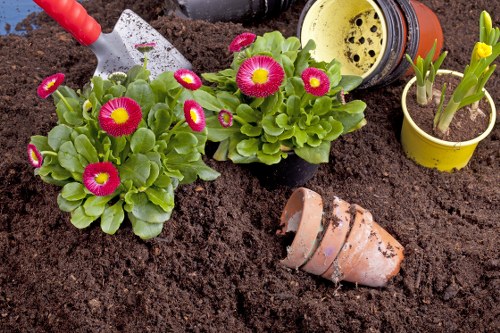 Jet Washing teams are committed to a measurable, long-term approach to environmental stewardship. Our jet-washing and pressure cleaning operations are designed to minimise waste and maximise the reuse and recycling of materials encountered during routine work. We believe an integrated approach to an eco-friendly waste disposal area and a dedicated sustainable rubbish gardening area is essential to lowering our environmental footprint while supporting local circular economies.
We have set a clear recycling percentage target to drive progress: a 70% recycling rate for operational waste within three years across all jet wash and jet-washing projects. That target covers everything from wash-off sediment and packaging to collected green waste from landscaping and garden clearances. This target is ambitious but achievable through careful segregation, improved on-site handling and closer collaboration with local authorities and transfer stations.
 Our operational model aligns with many boroughs' approach to waste separation, which typically includes separate streams for food and compostable waste, dry recyclables (paper, cardboard, plastics, glass, metals) and residual/general waste. To make segregation practical on the ground, our teams use colour-coded containment and on-van segregation systems so that recyclable loads reach the right destination without contamination. Key local transfer stations and civic amenity sites support this flow:
- Neighbourhood transfer stations accepting segregated dry recyclables and garden waste
- Licensed inert waste reception points for sediment and non-hazardous solids captured during jet wash operations
- Community compost hubs that take garden waste and convert it to mulch for reuse
We prioritise partnerships with local transfer stations that can receive mixed operational loads from our jet-wash services and sort them efficiently. These transfer stations provide an essential link between on-site collection and recycling processors, helping us hit the recycling rate target while reducing haulage miles and double-handling.
 A pillar of our sustainable transport strategy is the roll-out of low-carbon vans across our fleet. Our low-emission vehicles include electric vans where operationally feasible and hybrid support for longer routes. Route optimisation software and centralized scheduling reduce fuel consumption for our jet wash crews and lower overall carbon emissions. Collectively, fleet improvements are expected to cut transport emissions by up to 40% compared with conventional diesel-only operation.
Waste captured from jet wash and pressure washing activities is categorised on-site into reusable, recyclable and residual streams. Reusable materials — such as intact paving slabs, reclaimed timber and bricks retrieved during clearance — are diverted to local reuse networks and charities rather than being sent to landfill. This reuse-first policy reduces waste management costs and supports circular economy principles.
![A young woman with long brown hair, wearing a light-colored plaid shirt and gardening gloves, is tending to a garden with vibrant red roses. She is holding a yellow spray bottle in one hand and appears to be spraying or pruning the roses, which are situated in a lush and well-maintained outdoor space. Behind her, there are various green plants, including shrubs and a hedge, with a mix of bright flowers and healthy foliage adding colour to the garden. The garden features a combination of lawn grass, soil, and paved areas visible in the background, with natural sunlight illuminating the scene, suggesting a warm and clear day. This outdoor space exhibits a balanced layout with flower beds and greenery, typical of stylish landscaped gardens in the [TOWN] or nearby postcode area. Such garden maintenance and planting could be part of professional gardening services offered by firms like Jet Washing, who support the upkeep of outdoor spaces in the local community.](/pub/_photos/gardening/f1401830904.jpg) We formalise charity partnerships to extend the life of materials our teams encounter. Items that cannot be returned to the client but are still serviceable are offered to community groups and registered charities for reuse, refurbishment or resale. These collaborations support local housing projects, community gardens and educational programs while ensuring responsible handling of donated items. Representative partnership activities include coordinated drop-offs, joint collection days, and documented transfer records to ensure traceability.
We formalise charity partnerships to extend the life of materials our teams encounter. Items that cannot be returned to the client but are still serviceable are offered to community groups and registered charities for reuse, refurbishment or resale. These collaborations support local housing projects, community gardens and educational programs while ensuring responsible handling of donated items. Representative partnership activities include coordinated drop-offs, joint collection days, and documented transfer records to ensure traceability.
Several London boroughs and similar municipalities operate distinct rules for garden waste and recycling collections; for example, a three-stream system for food, recyclables and general waste or separate garden waste subscriptions. Our jet-wash and garden waste teams work within these frameworks and adapt to local guidance, ensuring that materials destined for composting are kept free of contaminants and that recyclables follow borough-specific sorting rules.

Practical measures in our sustainable rubbish gardening area
Site-level tactics
At the garden and landscape front, we prioritise in-situ composting and structured green waste treatment where possible. Mulch produced from collected branches and green cuttings is reused on-site or transferred to municipal composting facilities. Excess soil is stabilised and reused in planting projects, and where soil quality requires remediation, we work with accredited soil processors to restore viability rather than disposing of material off-site.
Operational checkpoints include on-site segregation audits, monthly recycling performance reports and regular training for jet-wash crews on contamination prevention. Crew members are trained on the boroughs' specific waste separation rules to make sure that recyclable streams remain clean and acceptable to local transfer stations and recycling processors.
Our jet-wash services incorporate spill containment, wash-water control and sediment capture to minimise water contamination. Sediment and wash-down solids are assessed and, where non-hazardous, delivered to licensed inert waste facilities or treated for reuse. Hazardous materials are managed under regulated waste protocols and never mixed with general recyclables.